
Introduction: When Silent Symptoms Disrupt Life
At 34, Mrs. Ritu Sen was balancing her career and family life while planning to start a family. However, over time, she began experiencing unusually heavy menstrual bleeding, severe abdominal pain, and fatigue.
Initially, she ignored these symptoms, assuming they were temporary. But as the discomfort increased and began affecting her daily routine, she realized something was wrong.
Struggles and Delayed Diagnosis
Ritu tried to manage her symptoms with:
- Pain medications
- Iron supplements for weakness
- Lifestyle adjustments
Despite these efforts, her condition worsened. The heavy bleeding led to fatigue, and the persistent pain began affecting her emotional well-being.
Her growing concern about fertility added to her anxiety, prompting her to seek expert medical advice.
Consultation and Diagnosis
Ritu consulted Dr. Tanuka Dasgupta, a specialist in advanced laparoscopy and reproductive medicine.
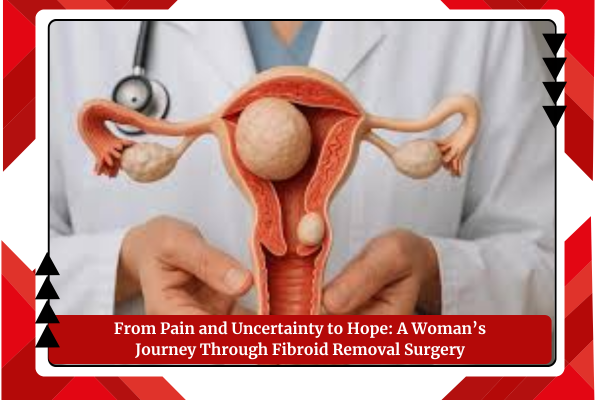
After a detailed evaluation and ultrasound imaging, she was diagnosed with Uterine Fibroids—non-cancerous growths in the uterus that can cause heavy bleeding, pain, and fertility issues.
Dr. Dasgupta explained the condition in simple terms and reassured her that effective treatment options were available.
The Turning Point: Choosing Myomectomy Surgery
Considering Ritu’s symptoms and her desire to preserve fertility, Dr. Dasgupta recommended Myomectomy—a surgical procedure to remove fibroids while preserving the uterus.
Although surgery initially made her anxious, the doctor’s detailed explanation about minimally invasive laparoscopic techniques helped her feel confident and reassured.
Understanding Fibroid (Myomectomy) Surgery
Myomectomy is a procedure designed to remove uterine fibroids while maintaining the uterus.
Key benefits include:
- Relief from heavy bleeding and pain
- Preservation of fertility
- Minimally invasive approach with smaller incisions
- Faster recovery and reduced hospital stay
Advanced laparoscopic techniques ensure precision, safety, and better outcomes for patients.
Treatment and Recovery Journey
Ritu underwent successful laparoscopic myomectomy under expert supervision:
- The fibroids were removed with precision using minimally invasive techniques
- Blood loss was minimized, ensuring a smoother recovery
- Post-operative care included rest, medication, and gradual return to activity
Within a few days, she began to feel relief from her symptoms. Over the next few weeks, her energy levels improved, and her overall health stabilized.
Final Outcome: A Renewed Sense of Hope
Today, Ritu Sen is living a healthy and active life. Her symptoms have resolved, and she feels more confident about her future, including her plans for motherhood.
Her journey reflects how timely intervention and advanced gynecological care can restore both health and hope.
Frequently Asked Questions (FAQ): Fibroids & Myomectomy
What are uterine fibroids?
Uterine Fibroids are benign growths in the uterus that can cause heavy bleeding, pain, and fertility issues.
When is myomectomy recommended?
Myomectomy is recommended when fibroids cause significant symptoms or affect fertility.
Is myomectomy safe?
Yes, it is a safe and effective procedure, especially with minimally invasive laparoscopic techniques.
How long does recovery take?
Most patients recover within 2–4 weeks, depending on the surgical approach.
Can fibroids return after surgery?
There is a possibility of recurrence, but regular follow-up and care can help manage it.
Conclusion: Take Charge of Your Health and Future
Living with fibroids can be physically and emotionally challenging, but effective solutions are available. With expert care from specialists like Dr. Tanuka Dasgupta, patients can regain control over their health and future.
Ritu’s journey is a powerful reminder that timely diagnosis and the right treatment can transform lives.
If you are experiencing symptoms like heavy periods or pelvic pain, do not ignore them. Seeking early medical advice can lead to better outcomes and a healthier, more confident life.