
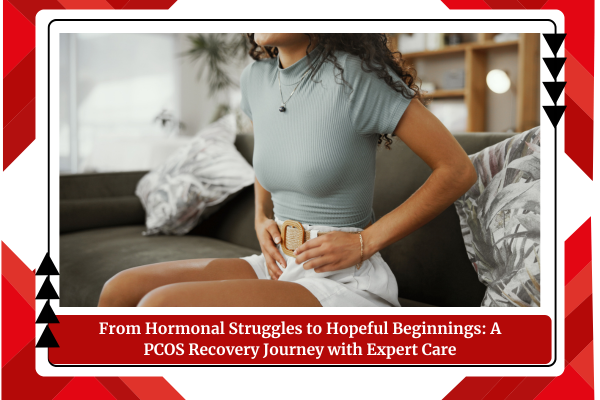
Introduction: When Hormonal Imbalance Disrupts Life
At 29, Sneha Mukherjee had always envisioned a smooth journey into motherhood. However, over the past few years, she began experiencing irregular periods, sudden weight gain, acne, and emotional stress.
Initially, she dismissed these symptoms as lifestyle-related changes. But as time passed, her menstrual cycle became increasingly unpredictable, and her attempts to conceive remained unsuccessful.
The uncertainty began to affect not only her physical health but also her emotional well-being.
Struggles and Failed Attempts
Like many women dealing with PCOS treatment, Sneha tried multiple approaches:
- Diet and lifestyle changes
- General medications
- Home remedies
Despite her efforts, her symptoms persisted. The irregular cycles continued, and the stress of infertility added to her anxiety. Each passing month brought disappointment, making the situation more emotionally challenging.
Consultation and Diagnosis
Seeking a clear diagnosis and expert care, she consulted Dr. Tanuka Dasgupta, a renowned gynecologist specializing in laparoscopy and infertility treatment.
After a thorough evaluation, including hormonal tests and ultrasound imaging, she was diagnosed with Polycystic Ovary Syndrome.
Dr. Dasgupta explained that PCOS is a common condition affecting hormonal balance, ovulation, and fertility. The doctor’s empathetic approach helped Sneha understand her condition without fear.
The Turning Point: Choosing the Right Treatment
Based on her condition, a personalized treatment plan was designed. This included:
- Hormonal regulation therapy
- Lifestyle modifications
- Ovulation induction techniques
In certain cases, advanced procedures like laparoscopy may also be recommended to improve fertility outcomes.
With clear guidance and reassurance, Sneha felt confident about moving forward with the treatment plan.
Understanding PCOS and Its Treatment
Polycystic Ovary Syndrome is a hormonal condition that affects ovulation and can lead to infertility if not managed properly.
Effective PCOS treatment focuses on:
- Regulating menstrual cycles
- Balancing hormones
- Supporting ovulation
- Improving chances of conception
With modern infertility treatment and expert care, many women with PCOS can successfully achieve pregnancy.
Recovery Journey: Gradual Improvement and Renewed Hope
With consistent treatment and regular follow-ups, Sneha began to notice positive changes:
- Her menstrual cycles became more regular
- Hormonal balance improved
- Overall health and energy levels increased
Over time, her body responded well to treatment, and her chances of conception improved significantly.
This phase brought renewed hope and emotional strength.
Final Outcome: A Step Closer to Motherhood
Today, Sneha Mukherjee is on a positive path toward achieving her dream of motherhood. Her health has improved, her confidence has returned, and she feels empowered with the right medical guidance.
Her journey highlights the importance of timely diagnosis and expert infertility care in managing PCOS effectively.
Frequently Asked Questions (FAQ): Polycystic Ovary Syndrome (PCOS)
What is PCOS?
Polycystic Ovary Syndrome is a condition where hormonal imbalance affects ovulation, leading to irregular periods and fertility challenges.
What are the common symptoms of PCOS?
Symptoms include irregular periods, weight gain, acne, excessive hair growth, and difficulty in conceiving.
Can PCOS be treated?
Yes, PCOS can be effectively managed with medications, lifestyle changes, and fertility treatments.
Does PCOS always cause infertility?
No, many women with PCOS can conceive with proper treatment and medical guidance.
When should I consult a gynecologist?
If you experience irregular periods or difficulty conceiving, it is important to seek medical advice early.
Conclusion: Hope, Care, and the Right Guidance Make a Difference
PCOS can feel overwhelming, especially when it affects fertility and overall health. However, with expert care from specialists like Dr. Tanuka Dasgupta, effective solutions are within reach.
Sneha’s journey shows that the right diagnosis, personalized treatment, and emotional support can make a significant difference.
If you are facing similar challenges, seeking timely medical guidance can help you regain control over your health and move closer to your dreams.